
The Secrets of Room Acoustics
Hey there!
I'm super excited to talk to you about something that's often overlooked but incredibly important when it comes to mastering - room acoustics and monitoring.
Trust me, it can make a world of difference in your final results!
You see, your listening environment plays a massive role in the decisions you make during the mastering process.
So, in this article, we'll dive into why room acoustics and monitoring are so crucial and how they can impact the quality of your work.
By the end of it, you'll have a much better understanding of how to optimise your space and make more accurate mastering choices.
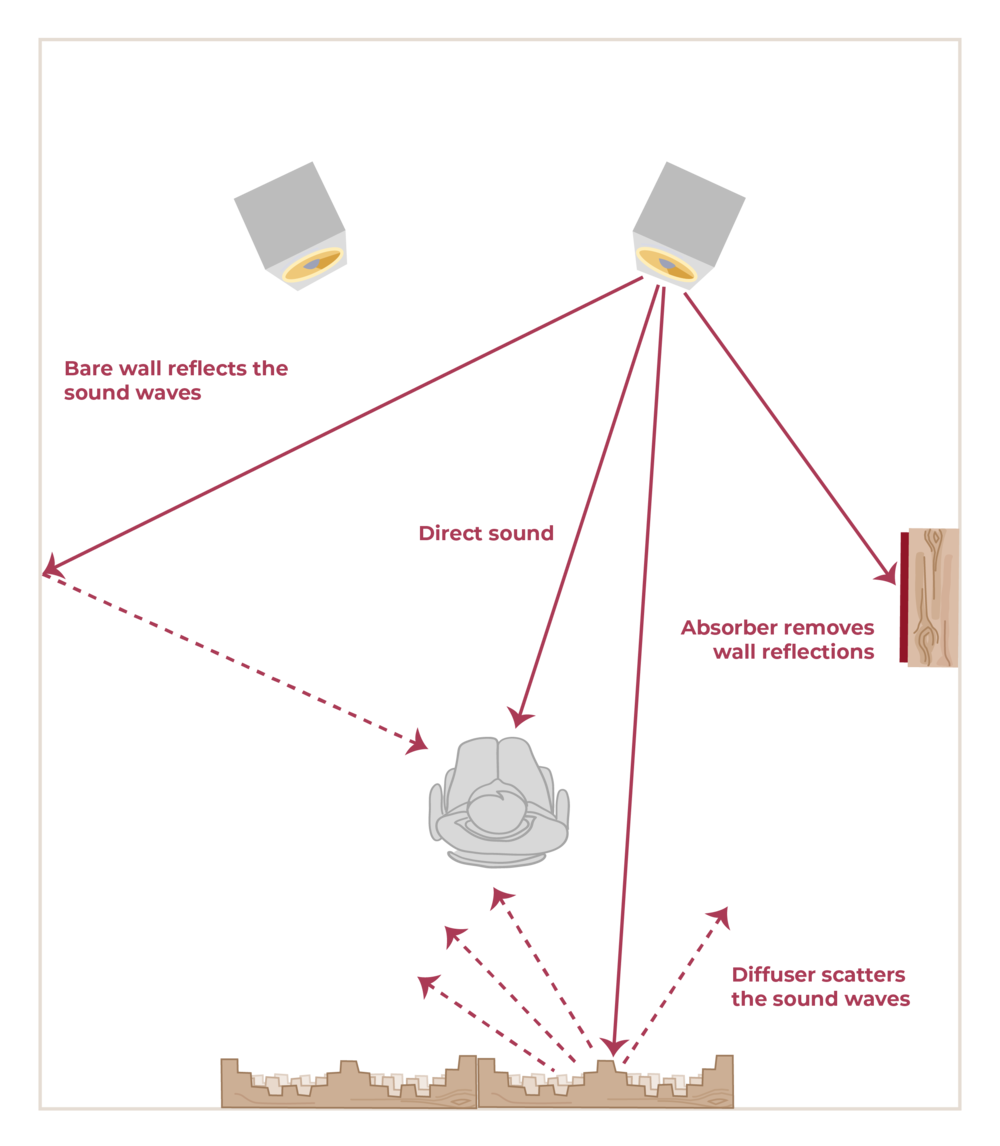
Room Acoustics
Now let's dive into the world of room acoustics.
You see, every room has its own unique sound, and that can impact your mastering decisions in a big way.
You might be dealing with annoying room modes, standing waves, or even just some uneven frequency response - all of which can throw you off when trying to get that perfect master.
But don't worry!
With the right approach to acoustic treatment, like using absorption, diffusion, and bass traps, you can tackle those issues head-on.
Plus, by setting up your room and speakers just right, you'll create the ideal listening environment for your mastering sessions.
Room modes and standing waves
It's time to chat about room modes and standing waves.
They might sound like something out of a physics textbook, but trust me, understanding them is super important for mastering!
First, let's talk about how room dimensions affect frequency response.
You see, the size and shape of your room can create peaks and dips in the frequencies you hear.
This can mess with your perception of the audio you're working on, making it tough to create a balanced and accurate master.
That's why it's crucial to be aware of your room's dimensions and how they might be impacting your sound.
Now, let's move on to identifying and addressing problem areas.
To tackle those trouble room modes and standing waves, you'll need to figure out where they're coming from.
You can use tools like Room EQ Wizard or even just play some test tones to find the troublesome spots.
Once you've pinpointed the issues, it's time to take action!
Acoustic treatment, like bass traps and absorption panels, can help you even out your room's frequency response, giving you a much more accurate listening environment for mastering.
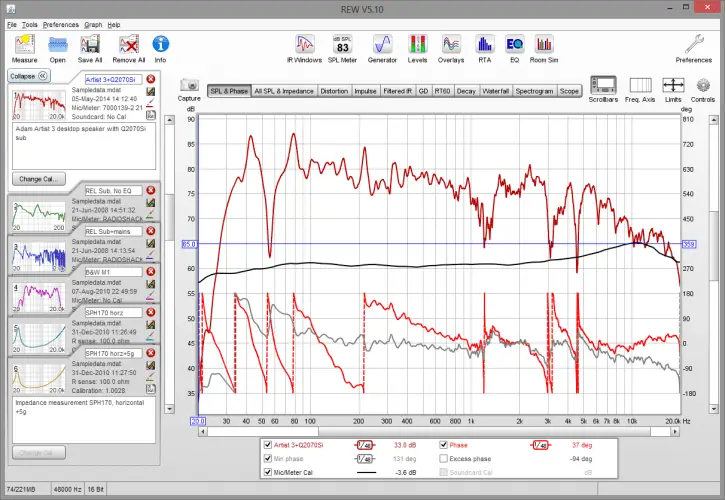
Absorption and diffusion
The world of acoustic treatment, which is honestly like a secret weapon for mastering engineers.
It can help you tame those unruly room modes and standing waves we talked about earlier.
First up, we've got absorption and diffusion.
Absorption panels help soak up sound, reducing reflections and echoes in your room. Diffusion, on the other hand, scatters sound waves, making the room sound more natural and balanced.
The key is to strike the right balance between these two elements to create a more accurate listening environment.
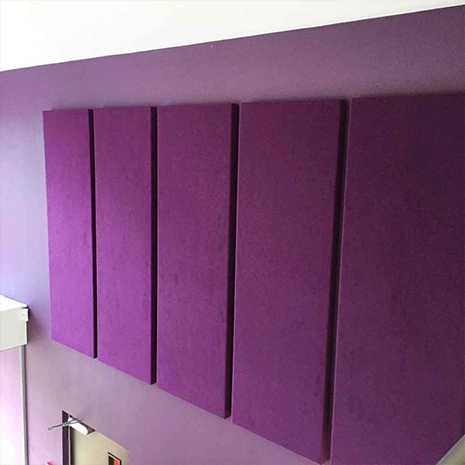
Now, let's talk bass traps.
Low-frequency issues can be a real headache, but bass traps are here to save the day!
They will control low frequencies, making it easier to hear what's going on in your mix.
They're usually placed in room corners, where bass tends to build up the most.
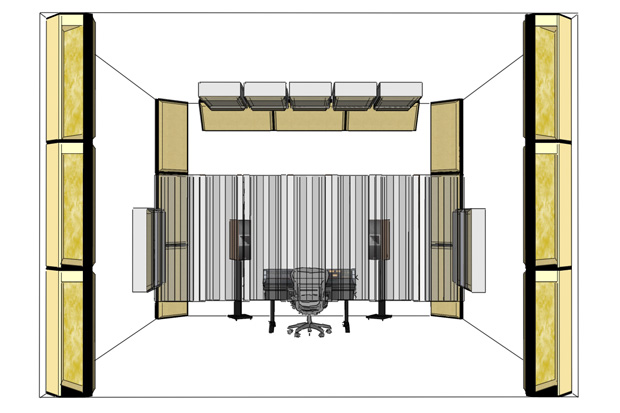
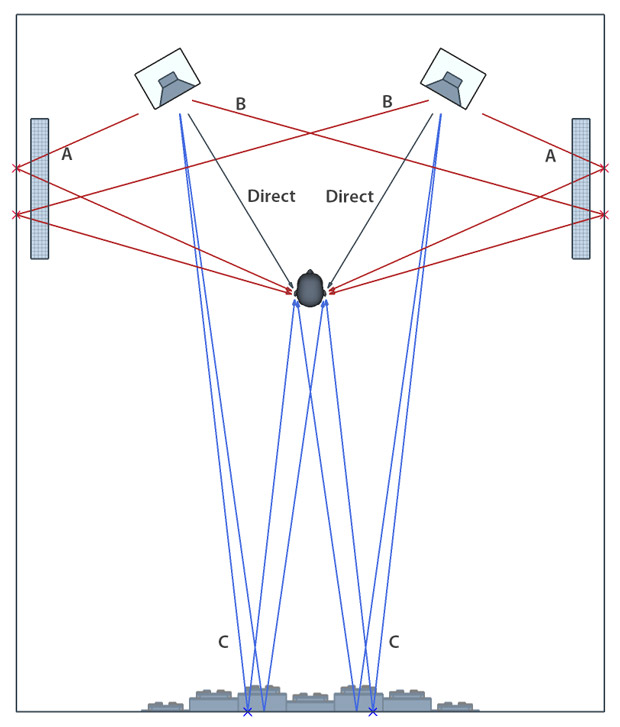
Now, let's discuss placing acoustic panels for optimal results.
There's no one-size-fits-all approach here, as every room is unique.
But a good starting point is to focus on the first reflection points on your side walls, ceiling, and floor.
You can also experiment with different panel placements to see what works best in your specific space.
Speaker placement
Now that we've covered acoustic treatment, let's talk about room setup and speaker placement.
Trust me, getting this right can make a massive difference in your mastering sessions.
First up, let's discuss the equilateral triangle and other speaker arrangements.
The idea here is to place your speakers in a way that forms an equilateral triangle with your listening position.
This setup ensures a balanced stereo image and helps minimize phase issues.
Of course, there are other speaker arrangements you can experiment with, but the equilateral triangle is a great starting point for most rooms.
Next, let's chat about listening position and the sweet spot.
Your listening position should be at the apex of the equilateral triangle we mentioned earlier.
This spot, also known as the sweet spot, is where you'll get the most accurate representation of your audio.
To find it, just make sure your head is equidistant from both speakers, and you're good to go!
And that's it
And that's us!
I hope that was helpful and shine a bit of light onto the acoustics.
If you want to learn more about acoustics, sweet spots, the best ways to optimise your room - enroll to my Total Audio Mastering Blueprint where I cover all of this in depth.
Hope to see you on the inside!
Tom